
The smell of caramelizing brown sugar and pineapple drifting through camp is pure magic. It cuts through the scent of pine and woodsmoke, drawing everyone toward the cook table before you even call them. This foolproof pineapple dessert — a skillet pineapple upside-down cake — bakes right over your camp stove or campfire coals. No oven, no fuss, no burning the bottom.

Why This Method Works for Camping
Baking over an open flame or camp stove is tricky. Direct heat scorches the bottom while the top stays raw. The trick here is indirect heat and a tight seal. By using a cast iron skillet with a lid (or foil), you trap steam and heat, creating a mini oven. Cooking on low heat and rotating the pan every few minutes ensures even browning without burnt edges.
The other key? Using canned pineapple rings in juice, not syrup. Syrup adds too much sugar and can burn before the cake bakes through. The juice gives just enough sweetness and moisture, and you use some of it in the batter for a consistent flavor from bottom to top.
Gear and Setup
You need a 10-inch cast iron skillet with a lid. If your skillet lacks a lid, a double layer of heavy-duty foil works — crimp it tightly around the rim. A camp stove with a low simmer setting is easiest to control. For a campfire, let the fire burn down to hot coals. Rake a flat bed of coals and place the skillet on a grate about 4 inches above the coals, or nestle it directly on a thin layer of coals if you have no grate.
A heat diffuser (a thin metal plate) under the skillet prevents hot spots. No diffuser? Fold a long strip of heavy-duty foil into a 1/4-inch thick pad, slightly smaller than the skillet base, and place it between the stove grate and skillet.
Common Mistake: Skipping the Rest Time
After cooking, the cake needs to rest for exactly 2 minutes before inverting. Too soon, and the caramel runs off. Too late, and the cake sticks. Set a timer. When you flip, hold the plate firmly against the skillet and invert in one smooth motion. Let the skillet sit on the plate for 30 seconds — the weight helps release any stuck bits.
Adapting for Weather and Terrain
Wind: Use a windscreen around your camp stove (leaving a gap for oxygen). Wind steals heat and lengthens cook time unpredictably. Check the cake after 25 minutes, but expect up to 35 minutes on a gusty day.
Cold: At or below 40°F, the skillet loses heat faster. Start with the butter and brown sugar already at room temperature (keep them in your jacket pocket for an hour). Cook on the higher end of low heat, and add 5 minutes to the cook time.
Rain: Set up your stove under a tarp or canopy. If rain is heavy, cook in the tent vestibule with the vestibule door open and the stove on a stable, non-flammable surface — never cook inside a closed tent due to carbon monoxide risk.
High altitude (above 5,000 feet): Reduce baking powder to 1 teaspoon. Add 2 tablespoons more milk. The lower air pressure causes cakes to rise too fast and collapse; this adjustment stabilizes the batter.
Kids? Let Them Help
Kids can arrange the pineapple rings and cherries in the skillet — a perfect pattern-building task. Older kids can whisk the dry ingredients or set the timer. Just keep them away from the hot stove and the flipping step. Let each child choose their own cherry placement for a personal touch.
Safety Note: Wildlife and Leftovers
This dessert smells irresistible to bears and raccoons. Once cooled, store any leftovers in an airtight container inside a bear canister or hung from a bear pole at least 100 feet from your tent. Never leave the skillet with caramel residue out overnight — clean it thoroughly and store it with your food.
Takeaway
A foolproof pineapple dessert at camp comes down to three things: low heat, a tight seal, and patience with the flip. Canned pineapple rings, a cast iron skillet, and a few pantry staples transform into a golden, caramel-topped cake that tastes like a reward for a day on the trail. No oven, no stress, just sweet success.
Frequently Asked Questions
Can I use fresh pineapple instead of canned?
Yes, but fresh pineapple is less consistent in sweetness and moisture. If using fresh, slice it into 1/4-inch rings and simmer them in a bit of brown sugar and butter for 2 minutes before adding the batter to prevent a watery cake.
How do I keep the cake from burning on the bottom?
Use a heat diffuser or a double layer of foil under the skillet. Cook over low to medium-low heat, and rotate the skillet 90 degrees every 5 minutes to distribute heat evenly. If using a campfire, let the fire burn down to coals first.
What if I don’t have a lid for my skillet?
You can use a sheet of heavy-duty aluminum foil crimped tightly around the rim. For better heat retention, place a few hot coals or a small grate with coals on top of the foil, but watch that the foil doesn’t tear.
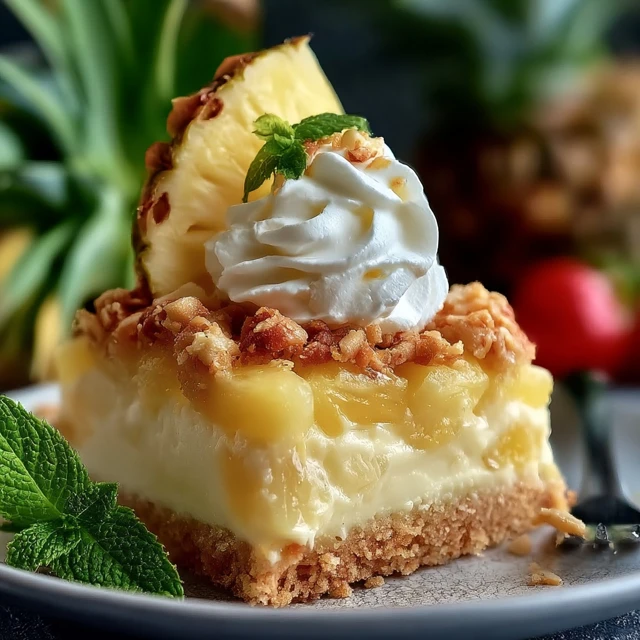
Foolproof Pineapple Dessert for Camping: Skillet Pineapple Upside-Down Cake
Ingredients
Method
- Melt the butter in a 10-inch cast iron skillet over low heat. Once melted, sprinkle the brown sugar evenly over the butter. Remove from heat.
- Arrange the pineapple rings in a single layer over the brown sugar, placing a cherry in the center of each ring if using.
- In a medium bowl, whisk together the flour, baking powder, and salt.
- In a separate bowl, beat the granulated sugar, egg, reserved pineapple juice, milk, and vanilla until smooth.
- Pour the wet ingredients into the dry and stir just until combined — do not overmix. The batter will be thick.
- Spoon the batter gently over the pineapple rings, spreading it evenly to the edges. Do not stir the pineapple layer.
- Cover the skillet with a tight-fitting lid or heavy-duty foil. Cook over low heat (or low coals) for 25-30 minutes, rotating the skillet 90 degrees every 5 minutes for even browning.
- Check for doneness by inserting a toothpick into the center of the cake — it should come out clean. If not, cover and cook another 5 minutes.
- Remove from heat and let rest for 2 minutes. Place a large plate over the skillet and carefully invert the cake onto the plate. Let the skillet sit for 30 seconds before lifting it off.
- Serve warm, directly from the plate. Scrape any remaining caramel from the skillet over the top.