
The first time I tried to make pasta at a campsite, I ended up with a sticky, scorched mess that tasted like burnt cardboard. The wind kept blowing out my stove flame, the water took forever to boil, and I forgot to stir. That night, I ate trail mix for dinner and swore there had to be a better way.

There is. After years of trial and error (and a few more burnt pots), I’ve landed on methods that work every time, even when the weather turns or the kids are hungry now. Let me walk you through foolproof pasta sides that won’t test your patience or your stove.
Why Pasta Sides Can Be Tricky at Camp
Pasta demands boiling water—a lot of it. On a camp stove, that takes time and fuel. Wind steals heat, high altitude lowers boiling points (water boils at about 198°F at 7,000 feet), and a crowded campsite means you’re juggling pots and hungry people. The common mistake? Using the same method you do at home. You need to adapt.
The fix: Choose pasta shapes that cook faster—angel hair, orzo, couscous, or even ramen-style noodles. They need less water and less time. For a standard 2-person portion, I bring 8 ounces of pasta and 4 cups of water (a bit more at altitude). That’s enough to boil without wasting fuel.
Method 1: The No-Boil Cold-Soak Trick
This is my secret weapon for hot days, lazy evenings, or when the stove runs out of fuel. It sounds strange, but it works: you soak dry pasta in cold water until it softens. No heat required.
Here’s the technique I use: take a wide-mouth jar (16-ounce works well) and add 1 cup of fine pasta—couscous, orzo, or ditalini. Pour in 1 cup of cold, filtered water. Add a tablespoon of olive oil and a pinch of salt. Screw the lid on tight and shake gently. Let it sit for 2 to 4 hours. The pasta absorbs the water and becomes tender. If you’re in a cooler spot (below 60°F), give it an extra hour.
Why this works: Small pasta has a high surface area, so water penetrates quickly. The oil prevents clumping. This method also saves fuel and keeps your cookware clean—just rinse the jar and reuse it for drinking water.
What to add: Before soaking, toss in dried herbs (oregano, basil), garlic powder, sun-dried tomatoes, or even a bouillon cube crumbled fine. After soaking, stir in a handful of fresh spinach or a squeeze of lemon. For protein, add canned chicken or chickpeas—no cooking needed.
Method 2: The One-Pot Pasta (Stove Required)
When you do want a hot meal, skip the separate pot for sauce. Cook everything in one pot. This cuts cleanup and fuel use by half.
The technique: Use a 2-quart pot with a lid. Add 8 ounces of pasta (penne or rotini work well), 3 cups of water, and a pinch of salt. Bring to a rolling boil over high heat. Stir immediately—pasta loves to stick to the bottom of thin camp pots. Reduce heat to medium and cook for 6–8 minutes (check package directions, but subtract 1 minute for altitude). When the pasta is al dente, don’t drain. Instead, add 1/2 cup of powdered milk mixed with 1/2 cup of water, plus a packet of instant Alfredo or cheese sauce mix. Stir over low heat for 2 minutes until creamy. The residual pasta water thickens the sauce—no draining, no extra pot.
Common mistake to avoid: Adding the sauce mix too early. The starch from the pasta needs to release into the water first. Wait until the pasta is fully cooked, then stir in the sauce.
For wind or rain: Set up your stove in the tent vestibule (with the fly open for ventilation—never cook inside a closed tent due to carbon monoxide risk). Use a windscreen made from a foldable aluminum baking sheet wrapped around the pot. Leave a 2-inch gap at the bottom for airflow. This cuts boil time by nearly half.
Method 3: The Pre-Cook & Reheat Strategy
For busy camp days, cook your pasta at home, cool it, and pack it in a zip-top bag with a splash of oil. At camp, just reheat in a pot with a little water or sauce. This is ideal for kids who can’t wait 15 minutes for dinner.
How to do it right: Cook pasta until just underdone—about 2 minutes less than package directions. Drain, rinse with cold water to stop cooking, then toss with olive oil (1 tablespoon per 8 ounces). Store in a sealed bag in your cooler. It keeps for 3 days. At camp, add the pasta to a pot with 1/4 cup of water or sauce, cover, and heat on medium for 3–4 minutes, stirring once. The pasta finishes cooking in the liquid and absorbs flavor.
Safety note: Keep the bag submerged in ice water in your cooler, or use a frozen water bottle as a cold pack. If the cooler temp rises above 40°F for more than 2 hours, discard the pasta.
Adapting for Weather and Terrain
- High altitude (above 5,000 feet): Increase cooking time by 1–2 minutes and add 1/4 cup more water. Use a lid to trap steam. The cold-soak method works faster here because lower air pressure helps water absorb.
- Cold weather (below 40°F): Pre-warm your cooking water by storing it in a thermos overnight. Boil time drops significantly. For the cold-soak method, use warm water from the thermos—it cuts soak time to 1 hour.
- Rain: Cook under your tent fly (again, with ventilation). Use a pot with a locking lid to prevent splashing. The one-pot method is best because you handle fewer dishes.
- With kids: Let them add their own mix-ins (cheese, dried veggies, crackers) after cooking. The cold-soak jar method is fun for them to shake and watch—it’s like a science experiment they can eat.
The Takeaway
Pasta sides at camp don’t have to be a gamble. The cold-soak method saves fuel and cleanup. The one-pot method gives you a hot, creamy meal in under 15 minutes. Pre-cooking buys you time for hiking, fishing, or just sitting by the fire. Pick the method that fits your day, your stove, and your patience level. Your camp stove—and your hungry crew—will thank you.
Frequently Asked Questions
Can I use regular pasta for no-boil camping sides?
Yes, but you need to cook it in a pot with boiling water for about 8–10 minutes. For true no-boil, use fine pasta like angel hair or couscous, or try the cold-soak method with small shapes like orzo or ditalini.
How do I keep pasta from sticking together in a camp pot?
Stir the pasta immediately after adding it to boiling water, and use plenty of water—at least 4 cups per 8 ounces of pasta. Adding a splash of oil helps, but stirring is key. Drain quickly and rinse with cold water if serving later.
What is the cold-soak pasta trick?
Place dry pasta (small shapes like orzo or couscous) in a jar with cold water and seasonings. Seal and let it sit for 2–4 hours. The pasta absorbs the water and softens without cooking. Add oil or sauce before eating. Great for no-stove days.
How do I adapt pasta sides for windy conditions?
Use a windscreen around your stove, but leave ventilation gaps. Cook in a deeper pot to prevent splashing, and reduce water by 1/4 cup to speed boiling. Stir more often to avoid scorching.
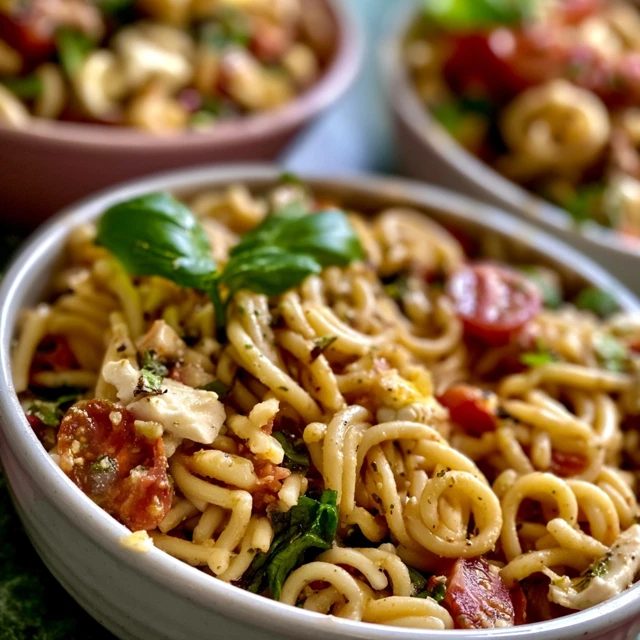
Foolproof Pasta Sides for Camping: No-Boil, No-Fuss Meals
Ingredients
Method
- In a jar with a tight lid, combine the couscous or fine pasta with cold water, olive oil, salt, garlic powder, and oregano. Add sun-dried tomatoes and nuts if using.
- Seal the jar tightly and shake gently to mix. Let it sit at room temperature for 2–4 hours, or up to 8 hours in a cool spot. The pasta will absorb the water and soften.
- After soaking, stir with a fork to fluff. Serve cold or at room temperature. If you prefer it warm, pour the contents into a pot and heat on a camp stove for 2 minutes, stirring constantly.