
The first time I packed a leafy green salad for a weekend trip, I opened the cooler to find a sad, wilted mess. Dressing had pooled at the bottom. Leaves were limp. Lesson learned. That’s when I turned to fruit-based salads—specifically, grape salads. They don’t wilt. They don’t weep. And when you make them right, they stay crisp and refreshing for days.

Healthy grape salads are a tent camper’s secret weapon. Grapes hold their texture, pair with a simple yogurt dressing that won’t separate, and travel like champs. No stove required. No last-minute chopping. Just a cool, crunchy side that feels like a treat after a long day on the trail.
Why Grapes Work for Camping
Grapes are sturdy. Their skins protect them from bruising, and they don’t release much moisture until you cut them. That means less mess in your cooler and longer shelf life compared to berries or sliced melon. Red and green grapes together give a nice color contrast, but either color works fine.
The key is to wash and dry the grapes the night before you leave. Wet grapes dilute the dressing and speed up spoilage. Spread them on a clean kitchen towel and pat them dry. Then store them in a breathable produce bag or a container with a paper towel on the bottom. This step alone makes the difference between a salad that lasts two days and one that turns mushy by noon.
The Dressing: Yogurt Over Mayo
Many grape salad recipes call for mayonnaise and cream cheese. Those are fine for a backyard barbecue, but they don’t travel well. Mayo-based dressings can separate in fluctuating cooler temperatures, and cream cheese softens into a gluey paste. Instead, I use plain Greek yogurt. It stays thick, adds protein, and has a tang that balances the sweetness of the grapes.
Whisk the yogurt with a little honey—just enough to take the edge off the tartness. A pinch of salt brightens everything. Lemon zest is optional but worth the extra step; it adds a fresh note that cuts through the richness. If you’re camping in hot weather, skip the zest—it can turn slightly bitter after a day in the cooler.
Nuts: Add at the Last Minute
Toasted almonds give this salad its crunch. The mistake most people make is mixing the nuts into the salad hours before serving. By the time you eat, the almonds are soft and chewy. Toast them at home, let them cool completely, and pack them in a separate small zip-top bag. Sprinkle them on right before you dig in. Pecans or walnuts work too, but almonds stay crunchier longer.
If you’re hiking to your campsite, leave the nuts out entirely and add sunflower seeds or pumpkin seeds instead. They’re lighter to carry and don’t break as easily in a pack.
Packing and Serving at Camp
Use a wide-mouth, leakproof container. A quart-size mason jar works, but a square plastic container with a snap lid is easier to scoop from. Pack the dressed grapes in the cooler, buried under ice packs or nestled against frozen water bottles. The salad should stay below 40°F until you’re ready to eat.
When you serve it, the salad will be cold—almost icy—which is perfect on a hot afternoon. If the weather is cool, let it sit out for ten minutes to take the chill off. Grapes taste sweeter when they’re not freezing cold.
One More Trick: The Grape Prep
Here’s the specific tip that sets this salad apart: halve the grapes lengthwise, not crosswise. A lengthwise cut exposes less surface area, so the grapes release less juice into the dressing. The salad stays firmer, and each half holds its shape better. It takes an extra minute, but the texture payoff is real.
Safety and Storage Notes
Keep the salad in the cooler at all times except when serving. Grapes are safe at room temperature for about two hours, but if the air temperature is above 90°F, cut that to one hour. When you’re done, put the container back in the cooler immediately. Don’t leave it sitting on the picnic table while you clean up.
If you’re camping in bear country, store all food—including grape salad—in a bear canister or a food locker. Grapes have a sweet scent that can attract wildlife. Never leave food inside your tent, even for a short hike.
Healthy grape salads won’t replace a hot meal, but they’ll fill a gap that many camp menus miss: a cold, crisp, nourishing side that doesn’t require a stove, a knife, or a lot of fuss. Make it once, and you’ll wonder why you ever bothered with wilted lettuce.
Frequently Asked Questions
How long does grape salad last in a cooler?
Properly stored in a sealed container at or below 40°F, grape salad stays fresh for about 2 to 3 days. The grapes may soften slightly after the first day, so I prefer to make it the morning I leave or the night before.
Can I use frozen grapes for camping grape salad?
Frozen grapes work if you plan to eat the salad within a few hours. They thaw into a softer, juicier texture and can water down the dressing. For a longer trip, stick with fresh grapes—they hold up better in the cooler.
What’s the best way to pack grape salad for a hike?
Pack the salad in a wide-mouth, leakproof container with a tight lid. Bury it in the middle of your cooler, surrounded by ice packs. If hiking, transfer a portion to a small insulated lunch bag with a mini ice pack.
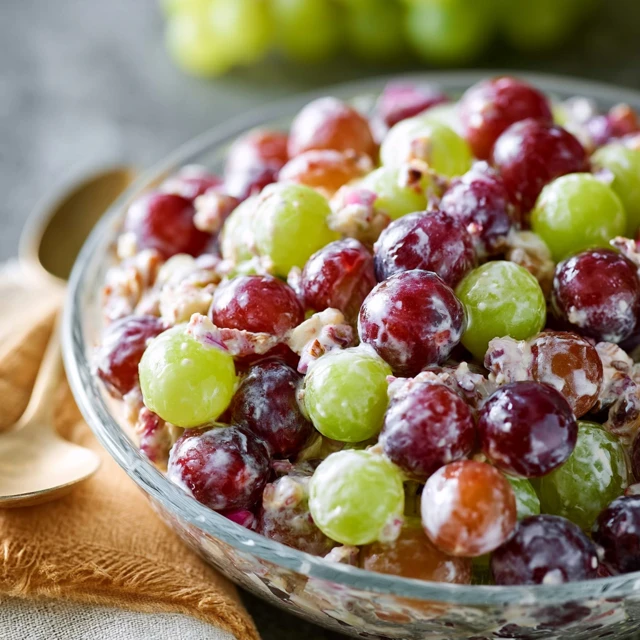
Healthy Grape Salads for Camping: A Cool, Crunchy Side Dish
Ingredients
Method
- Wash and dry the grapes thoroughly. Halve them crosswise and place in a large bowl.
- In a small bowl, whisk together the Greek yogurt, honey, lemon zest (if using), and a pinch of salt until smooth.
- Pour the dressing over the grapes and gently fold until evenly coated.
- Toast the sliced almonds in a dry skillet over medium heat for 2–3 minutes, stirring often, until golden and fragrant. Let cool completely.
- Just before serving, sprinkle the toasted almonds and chopped pecans (if using) over the salad. Stir lightly.
- Keep chilled in a cooler until ready to eat. Serve cold or at cool ambient temperature.