
The smell of blueberries simmering with sugar hits you before the first spoonful touches your lips. It’s a scent that cuts through the pine and woodsmoke — sweet, tangy, and deeply satisfying. This no-fuss blueberry dessert is exactly what you want after a day of hiking and setting up camp: something warm and comforting that doesn’t require a kitchen full of gadgets or a sink full of dishes.

I’ve made this cobbler on a two-burner camp stove, on a grate over coals, and even on a tiny backpacking stove with a windscreen. It works. The key is managing heat and keeping the lid on. Let’s walk through the method so you get a golden, tender topping and a jammy fruit base — every time.
Why This Method Works for Tent Camping
Most camping desserts rely on foil packets or pre-made mixes. Those are fine, but they often produce a soggy crust or a burnt bottom. This technique uses a single pot and a steam-bake method. The fruit releases juice as it heats, creating steam that cooks the dough from below while the lid traps heat above. No oven required. No flipping or rotating unless you’re over an uneven fire.
The trick is to keep the heat low and steady. High heat will scorch the berries before the dough has a chance to cook through. If you’re using a camp stove, set the burner to low. If you’re cooking over a campfire, let the coals burn down to a bed of glowing embers — not flames — and set the pot on a grill grate a few inches above them.
Choosing Your Blueberries
Fresh blueberries are ideal, but frozen work just as well. If using frozen, let them thaw for about 15 minutes in the bowl before adding sugar and lemon. This helps the sugar dissolve and prevents the fruit from cooling down the pot too much at the start. Wild blueberries are smaller and more tart — use an extra tablespoon of sugar if you go that route. Avoid canned blueberries in syrup; they’re too watery and will make the cobbler soupy.
The Dough: Simple and Sturdy
The biscuit topping is where many camp recipes go wrong. Too much liquid and it spreads into a pancake. Too little and it’s dry as sawdust. Here’s the ratio I rely on: 1 cup flour, 2 tablespoons sugar, 1½ teaspoons baking powder, ¼ teaspoon salt, 3 tablespoons cold butter, and ½ cup milk. That’s it. The cold butter is crucial — it creates pockets of steam that make the dough flaky. If your butter warms up, the dough will be dense. Keep it in the cooler until the last minute, then cut it in quickly with your fingertips.
Mix the dry ingredients in a zip-top bag at home. At camp, dump the bag into a bowl, add the butter, and work it in with a fork or your hands. Stir in the milk just until the dough comes together. A few dry spots are fine. Overmixing makes tough biscuits.
Assembly and Cooking
Oil the pot lightly — a teaspoon of vegetable oil rubbed around the bottom and sides prevents sticking. Pour the blueberry mixture in. Drop the dough in spoonfuls over the top. Don’t spread it out; the gaps let steam escape and help the dough cook evenly. Sprinkle a little extra sugar on top for a crunchy crust.
Cover and cook on low heat. On a camp stove, I set it to the lowest flame that stays lit. On a fire, I use a thin layer of coals — about six to eight briquettes worth — spread under the pot. Check after 15 minutes by lifting the lid quickly. The dough should look puffed and dry on top. If it’s still wet, cook another 5 to 10 minutes. Rotate the pot a quarter turn every 10 minutes to avoid hot spots.
Let it rest off the heat for 5 minutes before serving. This lets the juices settle and the dough finish setting up. Serve straight from the pot with spoons. No bowls needed if you’re eating in shifts.
Adapting for Weather and Conditions
Wind is the enemy of even heat. If it’s breezy, set up a windbreak — a backpack, a cooler, or a folded tarp — around your stove. Rain? Cook under the vestibule of your tent or a tarp, but keep the pot away from tent walls. The steam and heat can damage fabric.
If you’re camping at high altitude (above 5,000 feet), the lower boiling point of water means the dough may take longer to cook through. Increase cook time by 5 to 10 minutes and keep the lid on tight. You can also add an extra tablespoon of milk to the dough to keep it moist.
For cold-weather camping, bring the butter and milk out of the cooler an hour before cooking so they’re not ice-cold. The dough will come together more easily. And serve the cobbler immediately — it cools fast in cold air.
Common Mistake to Avoid
Lifting the lid too often. Every time you lift, steam escapes and the cooking time stretches. Trust the process. Check once at the 15-minute mark, then again at 20. If you’re unsure, insert a toothpick into the thickest part of the dough — it should come out clean or with a few moist crumbs, not raw batter.
Making It Your Own
This base method works for other fruits too — sliced peaches, diced apples, or a mix of berries. For apples, add a teaspoon of cinnamon and a tablespoon of brown sugar to the fruit. For peaches, a pinch of ginger and a splash of vanilla extract. Adjust the sugar based on the sweetness of the fruit.
If you want a crispier topping, sprinkle a tablespoon of rolled oats over the dough before cooking. If you want a richer dessert, serve with a dollop of yogurt or a drizzle of cream — just keep dairy cold in the cooler until you’re ready.
Safety Note
When cooking over a campfire, make sure your pot is stable on the grate. Use long-handled utensils to stir or rotate. Keep a bucket of water or sand nearby. And always fully extinguish your fire before leaving the site or going to sleep. Cobbler is worth staying up for, but not worth a wildfire.
The best part of this dessert isn’t just the taste — it’s the simplicity. One pot, a handful of ingredients, and a little patience. You’re not fussing with a complicated recipe. You’re sitting around a fire, spoon in hand, watching the stars come out. That’s the whole point.
Takeaway: A no-fuss blueberry dessert for camping comes down to three things — low steady heat, a tight lid, and a simple biscuit dough made with cold butter. Master that, and you’ve got a dessert that works in any tent camping setup.
Frequently Asked Questions
Can I use frozen blueberries for this camping dessert?
Yes, frozen blueberries work well. Thaw them partially before adding to the pot, or increase cook time by about 5 minutes to account for the extra moisture.
What if I don’t have a Dutch oven?
You can use a heavy-bottomed pot with a tight lid, like a cast iron skillet with a foil cover. The key is even heat distribution and trapping steam. Avoid thin aluminum pots — they scorch easily.
How do I keep the cobbler from burning on the bottom?
Use a diffuser plate or a layer of coals under the pot, not direct flame. Stir the fruit base once halfway through, and rotate the pot 90 degrees every 10 minutes if cooking over a campfire.
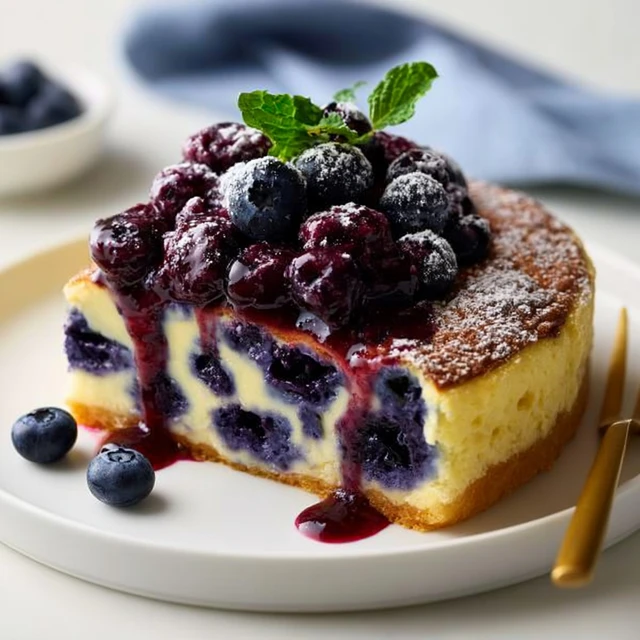
No-Fuss Blueberry Dessert for Camping: One-Pot Cobbler
Ingredients
Method
- In a medium bowl, toss blueberries with 1/3 cup sugar and lemon juice. Let sit while you prepare the dough.
- In a separate bowl, whisk together flour, 2 tablespoons sugar, baking powder, and salt. Cut in cold butter using your fingertips or a fork until the mixture resembles coarse meal. Stir in milk just until a soft dough forms — do not overmix.
- Lightly oil a 2-quart Dutch oven or heavy pot. Pour the blueberry mixture into the pot and spread evenly. Drop spoonfuls of dough over the berries — about 8 small dollops. Sprinkle the remaining 1 tablespoon sugar on top.
- Cover the pot with its lid. Place on a camp stove over medium-low heat (or on a grate over a low campfire with coals underneath). Cook for 20-25 minutes, until the dough is cooked through and the berries are bubbling. Rotate the pot once or twice for even heat.
- Remove from heat. Let rest, covered, for 5 minutes. Serve warm, directly from the pot. Spoon into bowls or eat straight from the pot with spoons.