
The first time I cooked salmon at camp, I pulled it off the fire too late. Dry, chalky, and sad. The second time, I nailed it — flaky, moist, and that perfect citrusy finish. The difference wasn’t magic. It was technique.

Salmon is actually one of the easiest proteins to cook outdoors, if you respect a few rules. The foil packet method is your best friend. It traps steam, locks in moisture, and keeps the fish from sticking to anything. No flipping. No fuss. And cleanup is a breeze — just wad up the foil and toss it in the trash bag.
Why Foil Packets Work So Well for Salmon
Salmon is lean but delicate. It dries out fast when exposed to direct heat. A foil packet creates a miniature oven. The fish steams in its own juices plus whatever liquid you add — lemon, butter, a splash of broth. That steam bastes the fillet from all sides, keeping it tender.
The trick is to seal the packet tightly. Leave a little air space inside, but crimp the edges well. A loose packet lets steam escape, and you’re back to dry fish. I fold the foil over twice and press the edges flat.
Choosing Your Salmon
Fresh is best, but frozen works fine. If you’re bringing frozen fillets, pack them still frozen in your cooler. They’ll thaw slowly over a day or two. Don’t refreeze. Go for fillets about 6 ounces each, with or without skin. Skin helps protect the flesh from heat, but it’s not necessary.
One common mistake: buying salmon with a strong fishy smell. Fresh salmon should smell like the ocean, not like a fish market. If it’s pungent, skip it.
The Perfect Seasoning
Simple is better at camp. Salt, pepper, butter, lemon, and dill. That’s it. The butter adds richness, the lemon cuts through the fat, and the dill complements the salmon without overpowering it. If you want a twist, add a slice of onion or a clove of garlic. But don’t go overboard — let the salmon be the star.
I always pack a small jar of salt and pepper, a lemon wrapped in a paper towel, and a few sprigs of dill in a ziplock. Dried dill works too. Just use about a teaspoon per fillet.
Heat Management: Coals vs. Stove
If you’re using a campfire, wait until the flames die down and you have a bed of glowing coals. That steady, even heat is what you want. Place the foil packets directly on the coals for the most even cooking. Flip once halfway through. If you’re using a camp stove, set it to medium heat and place the packets on a grate. Stoves can be hotter than coals, so check earlier.
What about wind? Wind can make a campfire burn hotter on one side. Position your packets away from the wind or use a windscreen. On a stove, wind can blow out the flame. Set up a windbreak with your cooler or a large rock.
Timing and Doneness
Cook for 10 to 15 minutes. Check at 10 minutes by carefully opening a packet — watch for the steam blast. The salmon should flake easily with a fork and be opaque all the way through. If you have an instant-read thermometer, aim for 125°F for medium-rare or 135°F for well-done. Carry a small thermometer in your kit; it’s worth the space.
Undercooked salmon is safe to eat if it’s fresh, but nobody wants raw fish in the middle. Overcooked salmon is dry and mealy. Find that sweet spot.
What to Serve With It
Foil packet salmon pairs well with quick sides. Instant couscous or rice, a simple green salad, or roasted asparagus in another foil packet. You can even add thinly sliced zucchini or cherry tomatoes to the salmon packet — just arrange them around the fillet so everything cooks evenly.
If you’re camping with kids, let them assemble their own packets. They’ll eat what they make. Just make sure they seal the foil tightly.
Safety and Cleanup
Hot foil packets are no joke. Use tongs or a thick glove to handle them. Open away from your face to avoid steam burns. If you’re cooking over a campfire, make sure the area around the fire is clear of dry leaves and pine needles. Keep a bucket of water or sand nearby.
After eating, let the foil cool before disposing. Pack out all trash. Do not bury foil — it doesn’t break down. And never leave food scraps in the fire pit; they attract wildlife. Store any leftover salmon in a sealed container in your cooler.
The Takeaway
Juicy salmon at camp is not a luxury. It’s a technique. Foil packets, simple seasoning, steady heat, and a watchful eye. That’s all it takes. The next time you’re craving something a little special at the campsite, give it a try. You’ll be surprised how easy it is to get that flaky, moist result — and how good it tastes under the stars.
Frequently Asked Questions
How do I keep salmon from drying out while camping?
The key is to cook it in a sealed foil packet with a splash of liquid (broth, wine, or lemon juice) and a pat of butter. The steam stays inside, basting the fish as it cooks. Also, don’t overcook — aim for an internal temperature of 125-130°F for medium, or 135°F for well-done.
Can I cook salmon directly on the coals?
Yes, but place the foil packet directly on hot coals (not open flames) for even heat. Flip once halfway through. For campfire grates, cook over medium heat. Avoid high flames, which char the outside before the inside is done.
What if I don’t have a cooler for fresh salmon?
You can bring frozen salmon fillets. They will thaw in the cooler over a day or two. Alternatively, canned or pouch salmon works for salmon cakes or salads, but for a whole fillet, frozen is your best bet.
How long does it take to cook salmon in a foil packet over a campfire?
Typically 10-15 minutes over medium heat (coals or grate). Check at 10 minutes — the fish should flake easily with a fork and be opaque throughout. Thicker fillets need a few extra minutes.
What vegetables can I add to the foil packet with salmon?
Thinly sliced zucchini, bell peppers, cherry tomatoes, asparagus, or potatoes (pre-cooked or very thinly sliced). Arrange them around the salmon so everything steams evenly. Avoid dense veggies like raw carrots unless pre-cooked.
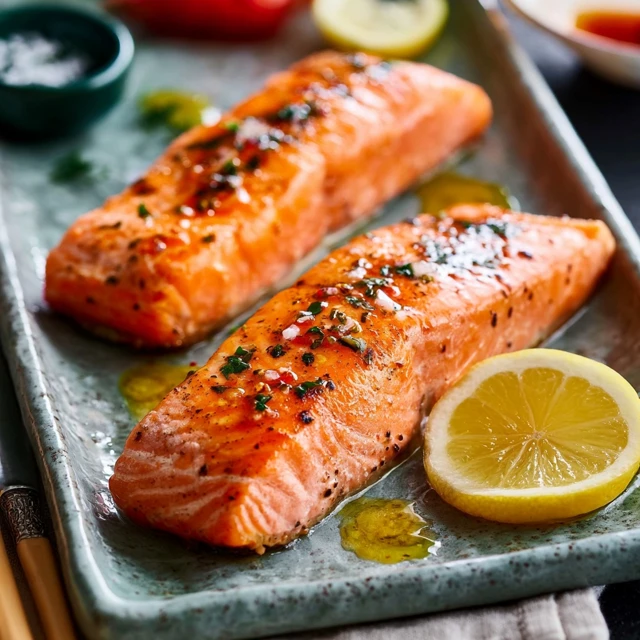
Juicy Salmon: Camping Recipe for Flaky Perfection
Ingredients
Method
- Lay out two large sheets of heavy-duty aluminum foil (about 12x18 inches each). Lightly grease the center with a bit of butter or nonstick spray.
- Place one salmon fillet in the center of each foil sheet. Season with salt and pepper. Top each fillet with 1 tablespoon butter, 2 lemon slices, and 2 sprigs of dill. If using, drizzle 1 tablespoon of wine or broth over each.
- Fold the foil up and over the salmon, crimping the edges tightly to create a sealed packet. Leave a little air space inside for steam to circulate.
- Preheat your campfire to medium heat (coals should be glowing, not flaming) or set up a camp stove with a grate. Place the foil packets directly on the coals or on the grate.
- Cook for 10-15 minutes, flipping once halfway through if on coals. Check for doneness by carefully opening a packet: the salmon should flake easily with a fork and be opaque throughout. Internal temperature should reach 125-135°F.
- Carefully open the packets (watch for hot steam) and serve immediately. Squeeze extra lemon over the top if desired.