
The first time I tried cooking seafood over a campfire, I ended up with a soggy, fishy-smelling mess that stuck to the foil and tasted like smoke and regret. The problem wasn’t the fire—it was the method. Seafood is delicate. It needs gentle, even heat and a way to hold in moisture without drowning. The solution is the foil packet, but not just any packet. The trick is in how you layer the ingredients and manage the steam.

Why Foil Packets Work for Seafood
Foil packets are basically a tiny steamer. The sealed foil traps the natural juices from the seafood and vegetables, creating a moist environment that cooks everything evenly. Unlike grilling directly over flames, there’s no risk of the seafood drying out or falling through the grate. And cleanup is just crumpling up the foil.
The key is to avoid the two most common mistakes: using too much liquid and overcooking. Seafood releases its own moisture as it cooks. Adding extra water, broth, or even too much oil will turn your packet into a poaching bath, leaving you with rubbery shrimp and watery vegetables. Stick to a light coating of oil and rely on the natural juices.
Choosing the Right Seafood
Not all seafood works well in a foil packet over a campfire. Firm fish like salmon, halibut, or cod hold up nicely. Shrimp and scallops are excellent because they cook fast. Avoid thin, delicate fillets like sole or flounder—they’ll break apart before the vegetables are done. If you’re using fish, cut it into uniform chunks so everything finishes at the same time.
Make sure your seafood is fresh. At a campsite, you don’t have the luxury of a refrigerator to keep things cold for days. Buy it the day you leave, store it in a well-insulated cooler with plenty of ice, and cook it within the first 24 hours. Keep the cooler in the shade and avoid opening it too often.
The Foil Packet Assembly Sequence
Heavy-duty foil is non-negotiable. Regular foil tears too easily, especially when you’re handling hot packets over a fire. Tear off a sheet about 18 inches long, then stack a second sheet on top. This double layer prevents leaks and punctures.
Layer the ingredients in this order: vegetables on the bottom, seafood on top, lemon slices on top of the seafood. The vegetables act as a barrier, keeping the seafood from direct contact with the foil. This prevents the bottom from scorching and allows the vegetables to release their moisture slowly, steaming the seafood from below.
Fold the long edges together and crimp them tightly, folding over twice. Then fold the short ends twice each. Leave a little air space inside—about an inch of room—so steam can circulate. If you flatten the packet completely, the seafood will stew in its own juice rather than steam.
Heat Management: Coals vs. Stove
If you’re cooking over a campfire, wait until the flames have died down and you have a bed of glowing coals. That steady, low heat is perfect. Place the packets directly on the coals or on a grate set just above them. For a camp stove, set the burner to medium heat and place the packet directly on the burner grate.
The common mistake here is cooking over high heat. High heat will burn the outside of the packet before the inside is done. You’ll end up with scorched foil and raw seafood. Low and slow is the rule. For shrimp, 10–12 minutes is usually enough. For thicker fish like salmon, go 12–15 minutes. Check by opening one packet carefully—watch for the steam blast—and look for opaque, flaky seafood.
Adapting for Wind, Rain, and Cold
Wind is the biggest enemy of campfire cooking. It steals heat and makes the fire burn unevenly. Set up a windbreak using rocks, a cooler, or a camp chair. If it’s raining, cook under a tarp or use a camp stove under a sheltered area. Never cook inside a tent.
In cold weather, the fire will need more time to build a good coal bed. Start your fire earlier than you think you’ll need it. You can also preheat the packets by placing them near the fire for a few minutes before cooking, but don’t let them sit too long or they’ll start steaming prematurely.
Safety Notes
When opening a hot foil packet, use tongs and open it away from your face. The steam is hot enough to cause burns. Let the packet rest for a minute or two before eating. If you’re cooking on a camp stove, make sure the stove is on a stable, level surface away from tent walls and flammable gear. Always extinguish your campfire completely before leaving the site—douse with water, stir the ashes, and douse again until everything is cool to the touch.
The Takeaway
Cooking seafood in a foil packet over a campfire is one of the most rewarding camp meals you can make. The technique is simple, the cleanup is nonexistent, and the result is a tender, flavorful dinner that tastes like you put in way more effort than you actually did. Layer your ingredients right, manage your heat, and let the steam do the work. That’s the whole secret.
Frequently Asked Questions
Can I use frozen seafood in foil packets?
Yes, but thaw it completely first. Frozen seafood releases extra water that will turn your packet into a soup. Thaw in the fridge overnight or in a sealed bag in cool water for 30 minutes. Pat dry before assembling.
How do I keep the foil from tearing?
Use heavy-duty foil, and double-layer each packet. Fold the long edges first, then the short ends, and crimp tightly. Leave a little air space inside for steam circulation. If you use a campfire grate, place the packet seam-side up so the weight doesn’t stress the folds.
What’s the safest way to cook seafood over a campfire?
Cook over glowing coals, not open flames. Coals provide steady, even heat. Use a campfire grate or a tripod grill for stability. Let the fire burn down to low coals first—about 30 minutes. Never cook over a roaring fire; the outside will burn before the inside is done.
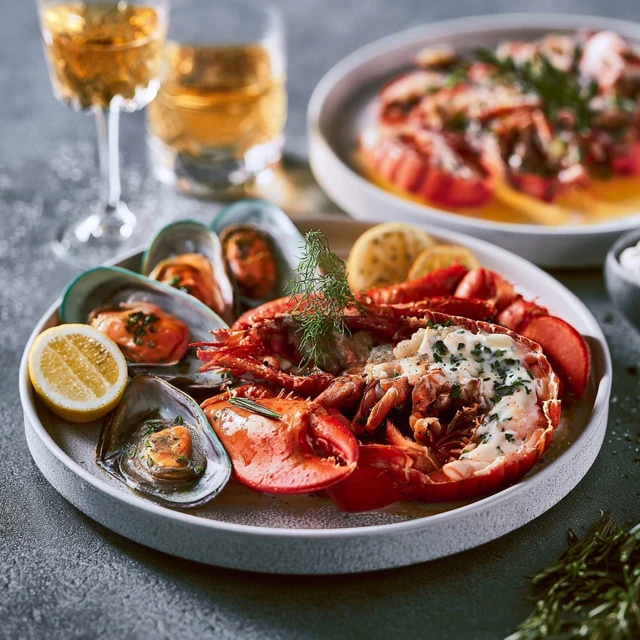
Campfire Seafood Packets That Actually Work
Ingredients
Method
- Prepare your fire or camp stove. For a campfire, let it burn down to low, glowing coals. For a stove, set to medium heat.
- Cut two large sheets of heavy-duty aluminum foil, each about 18 inches long. Stack them together for a double layer.
- In a bowl, toss the shrimp, zucchini, cherry tomatoes, olive oil, garlic, smoked paprika, salt, and pepper until evenly coated.
- Divide the mixture evenly between the two foil stacks. Lay 2–3 lemon slices on top of each portion.
- Fold the foil: bring the long edges together and fold over twice, crimping tightly. Then fold the short ends twice each, pressing firmly. Leave a little air space inside for steam.
- Place the packets seam-side up on the grate or directly on the coals. Cook for 10–12 minutes, rotating once halfway through. The shrimp should be pink and opaque, and the vegetables tender.
- Carefully open one packet to check doneness—watch for steam. Let rest for 2 minutes, then garnish with parsley if using. Serve directly from the packet or transfer to a plate.