
The smell of garlic and lemon mingling with wood smoke is one of those simple pleasures that makes tent camping feel like a real escape. And when that aroma comes from a foil packet nestled among the coals, you know dinner is close. Backyard tilapia — cooked over an open fire or on a camp stove — is a weeknight camping meal that comes together in minutes and leaves you with almost nothing to clean up.

Why Foil Packets Work for Fish
Tilapia is a lean, flaky white fish that cooks quickly. That makes it perfect for the high, direct heat of a campfire or grill. The foil packet traps steam, so the fish stays moist without needing a lot of oil or butter. It also keeps the fillet from falling apart on the grate — a common frustration when cooking fish outdoors. The tight seal means no fishy smell lingers on your gear, and cleanup is as simple as folding up the used foil.
Picking the Right Foil and Gear
Heavy-duty aluminum foil is non-negotiable here. Standard foil tears too easily when you crimp the edges, especially if you are working over hot coals. Cut each sheet about 18 inches long — long enough to fold over the fish and create a sealed packet with room for steam. If you are cooking for a group, you can make one large packet per person or combine two fillets in a longer sheet for a shared packet.
A pair of long-handled tongs and a sturdy spatula help you move the packets without burning your knuckles. If you are using a campfire, let the flames die down to a bed of glowing coals before placing the packets. Direct flame can burn the foil and char the fish on the outside before the center cooks through.
Building Flavor Without a Kitchen
The beauty of this method is that you do not need a marinade or a complicated sauce. A drizzle of olive oil, a squeeze of lemon, a sprinkle of salt and pepper, and a clove of minced garlic go a long way. Dried oregano or thyme works well, but fresh herbs like dill or parsley add a bright note that cuts through the richness of the fish. If you have a small plastic container of cherry tomatoes and a zucchini from your cooler, slice them and tuck them into the packet. They soften in the steam and absorb the lemon-garlic juices.
One trick I always use: lay a couple of lemon slices directly on the foil under the fillet. That keeps the fish from sticking and infuses the bottom side with citrus as it cooks. No need to flip the packet — just let the steam do the work.
Cooking Time and Temperature
Over medium heat — about 350°F (175°C) if you have a grill thermometer, or a bed of coals that glow orange without a lot of flame — a 6-ounce tilapia fillet cooks in 12 to 15 minutes. Check for doneness by opening one packet carefully (watch for the burst of steam) and pressing the fish with a fork. It should flake easily and look opaque all the way through. If the center is still translucent, reseal the packet and give it another 3 to 5 minutes.
Wind and outdoor temperatures affect cooking time. On a chilly, breezy evening, your fire or grill may run cooler, so add a few minutes. On a hot, still day, check early. The packet will puff up slightly as steam builds — that is a good sign that the inside is cooking evenly.
Common Mistake: Overstuffing the Packet
It is tempting to load the packet with potatoes, carrots, or other dense vegetables to make a complete meal. But those take much longer to cook than tilapia. By the time a potato chunk softens, the fish will be dry and overcooked. Stick with quick-cooking vegetables: cherry tomatoes, zucchini, bell peppers, asparagus, snap peas, or thinly sliced onions. If you want potatoes, parboil them at home and slice them thin before adding to the packet.
Serving and Safety Notes
Serve the fish straight from the packet. The juices make a light sauce that you can spoon over the fillet. A slice of crusty bread or a simple green salad on the side rounds out the meal. If you are camping with kids, let the packets cool for a minute or two before opening them — the steam is hot enough to cause a burn.
When you are done, let the foil cool completely before folding it up and disposing of it in a trash bag. Never toss hot foil into a campfire or leave it in a fire pit — it does not burn and creates a hazard for the next camper. Pack out all foil and food scraps.
Adapting for Different Weather
On a rainy evening, you can cook these foil packets on a camp stove inside your tent vestibule — but only if you have proper ventilation and never use a stove inside a closed tent. Carbon monoxide is a real risk. Instead, set up your stove under a tarp or awning. The foil packet method works just as well on a two-burner camp stove as it does over a fire. Use medium heat and cover the stove with a windscreen if needed.
In hot weather, keep your tilapia in a well-chilled cooler until you are ready to cook. Fish spoils faster than red meat in warm conditions. Pack the fillets in a sealed container or zip-top bag, nestled between ice packs. Do not let them sit out while you set up camp.
A Simple Takeaway
Backyard tilapia in a foil packet is one of those camping meals that feels like a small luxury. It is quick, it is forgiving, and it tastes like you put in more effort than you actually did. The next time you are packing for a tent camping trip, grab a few fillets, a lemon, and some foil. You will have a dinner that lets you spend less time washing dishes and more time listening to the fire crackle.
Frequently Asked Questions
Can I use frozen tilapia for this foil packet recipe?
Yes, you can use frozen tilapia. Thaw it completely in the refrigerator before packing your foil packets. If you pack it frozen, increase the cooking time by about 5-8 minutes and ensure the fish flakes easily with a fork before serving.
How do I keep the fish from sticking to the foil?
Brush the inside of the foil generously with olive oil or spray with non-stick cooking spray before adding the fish. You can also place a layer of lemon slices or fresh herbs directly on the foil under the fillet to create a barrier.
What vegetables go best with tilapia in a foil packet?
Quick-cooking vegetables like cherry tomatoes, thinly sliced zucchini, bell peppers, asparagus, and snap peas work well. Avoid dense vegetables like whole potatoes or carrots unless you pre-cook them, as they take much longer to soften.
Can I cook these foil packets on a campfire instead of a grill?
Absolutely. Place the packets directly on hot coals or on a campfire grate over medium heat. Rotate the packets halfway through cooking and check for doneness. The high heat of coals can cook the fish in as little as 8-10 minutes.
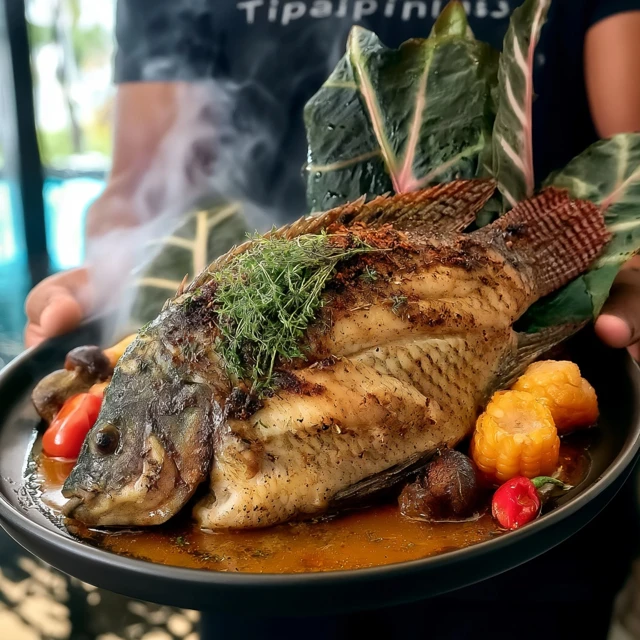
Backyard Tilapia: Simple Campfire Foil Packet Dinner
Ingredients
Method
- Prepare your campfire or grill for medium heat, about 350°F (175°C). If using a campfire, let the flames die down until you have a bed of hot coals.
- Tear four large sheets of heavy-duty aluminum foil, each about 18 inches long. Brush the center of each sheet with olive oil to prevent sticking.
- Place one tilapia fillet in the center of each foil sheet. Drizzle with olive oil and sprinkle with minced garlic, oregano, salt, and pepper.
- Top each fillet with 2-3 lemon slices, a handful of cherry tomatoes, and a few zucchini slices. Add a sprig of fresh dill or parsley if using.
- Fold the foil over the fish and vegetables to create a packet. Crimp the edges tightly to seal, leaving a little room for steam to circulate.
- Place the packets on the grill or directly on hot coals. Cook for 12-15 minutes, or until the fish flakes easily with a fork and the vegetables are tender. Rotate packets halfway through for even cooking.
- Carefully open one packet to check for doneness. Use tongs and a fork to avoid steam burns. Serve immediately straight from the packet or transfer to a plate.