
There’s something about the smell of blueberries cooking over an open fire that pulls everyone out of their tents. It’s sweet and slightly tart, with a hint of woodsmoke that no kitchen can replicate. After years of testing recipes at campsites from damp coastal forests to dry mountain meadows, I’ve landed on a few blueberry dishes that earn the title “family-favorite”—meaning they’re easy enough for tired hands, forgiving of imperfect heat, and disappear before they cool.

Why Blueberries Work So Well at Camp
Blueberries are practically designed for tent camping. They don’t bruise as easily as raspberries or blackberries. They hold their shape when cooked. And they bring a concentrated sweetness that means you can use less added sugar—a real advantage when you’re packing light. Fresh berries last two to three days in a good cooler, but frozen ones work even better because they double as ice packs and cook up just as nicely in cobblers and pancakes.
Campfire Blueberry Cobbler: The Anchor Recipe
This is the recipe I reach for when I want something that feels like dessert but doesn’t require a pastry bag or a thermometer. The key is managing your heat. A common mistake is building the fire too high, which scorches the berries before the topping has a chance to cook through. Instead, let the fire burn down to glowing coals—the kind that look like orange jewels, not leaping flames. That steady, indirect heat is what gives you a tender, golden topping and a bubbling, jammy berry layer underneath.
The batter is a simple drop-biscuit style. The trick is keeping the butter cold until it hits the pan. I cube it at home, store it in a small container in the cooler, and cut it into the dry ingredients right at the campsite. Those little butter pockets melt in the heat, creating steam pockets that make the topping light, not dense. If you overmix, the gluten develops and you get a tough crust—so stir just until the flour disappears.
One more tip: cover the skillet. A lid or a tight foil tent traps the steam and cooks the top evenly. If you’re cooking over a fire, place a few coals on the lid too—this mimics an oven’s top heat. Without that, the topping can stay doughy while the bottom burns.
Blueberry Pancakes That Actually Work Over a Camp Stove
Pancakes are a camping staple, but blueberries can make them tricky. Drop the berries into the batter too early and they sink to the bottom, burning on the pan. The fix is simple: pour the batter onto the griddle first, then scatter a handful of blueberries onto each pancake while the bottom sets. Press them in gently with the back of a spoon. This keeps them suspended in the middle where they belong.
For the batter, I use a mix of half whole-wheat and half all-purpose flour. The whole-wheat adds structure and a nutty flavor that pairs well with blueberries, and it’s more forgiving if your heat fluctuates. Cook over medium-low heat—if the butter sizzles and browns immediately, your pan is too hot. The first pancake is always a test. Adjust from there.
To keep pancakes warm while you cook the rest, stack them on a plate and cover with a clean towel or an inverted bowl. Do not use foil—it traps steam and turns the edges soggy.
No-Cook Blueberry Breakfast: Overnight Oats in a Jar
Some mornings you just want to unzip the tent and eat without lighting a stove. That’s when pre-made overnight oats shine. I prep these at home in wide-mouth mason jars: equal parts rolled oats and milk (or a milk alternative), a spoonful of chia seeds for thickness, a drizzle of maple syrup, and a generous handful of blueberries. Shake well, refrigerate overnight at home, then pack the jars in the cooler. By morning, the oats are soft, the blueberries have released their juice into the cream, and breakfast is ready in the time it takes to find a spoon.
The trick is using rolled oats, not instant. Instant oats turn to mush. Rolled oats hold their texture even after a full night in the cooler. If you want crunch, pack a small bag of granola and sprinkle it on just before eating.
Blueberry Sauce: One-Pot Versatility
A quick blueberry sauce takes about ten minutes and works on everything—pancakes, oatmeal, yogurt, or even as a topping for plain camp bread. In a small saucepan, combine two cups of blueberries, two tablespoons of sugar, and a splash of water or orange juice. Simmer over medium heat, stirring occasionally, until the berries burst and the sauce thickens slightly, about 8-10 minutes. If you want it thicker, mash a few berries against the side of the pan with a spoon. That’s it. No cornstarch needed—the natural pectin in the berries does the work.
For safety, let the sauce cool before storing any leftovers in a sealed container in the cooler. Use within a day. And never leave sweet food out on the table—it attracts wasps, ants, and in some areas, bears. Keep all food sealed and stored away from your sleeping area.
Packing Blueberries for the Trail
Fresh blueberries travel best in a hard-sided container with a lid. A plastic berry container from the store is fine, but reinforce it by placing it inside a larger zip-top bag or a lightweight plastic tub. This prevents the berries from getting crushed under a water jug or a bag of potatoes. Frozen blueberries should stay in their original bag, wrapped in a kitchen towel for insulation, and placed at the bottom of the cooler where it’s coldest. They’ll stay frozen for a full day and slowly thaw over the next two, ready for any recipe.
Takeaway: Blueberries are one of the most forgiving, rewarding ingredients you can bring camping. Whether you stir them into a cobbler, scatter them onto pancakes, or let them soak into overnight oats, they bring a bright, familiar sweetness that makes any meal feel like a treat. The techniques here are simple, but they make the difference between a good camp meal and one your family will ask for again next trip.
Frequently Asked Questions
How do I keep blueberries fresh while camping?
Store fresh blueberries in a hard-sided container with a lid, not a plastic bag, to prevent crushing. Keep them in a cooler at the bottom, away from raw meat, and use within 2-3 days. For longer trips, freeze them ahead of time—they thaw quickly and work great in cooked recipes.
Can I use frozen blueberries in campfire recipes?
Absolutely. Frozen blueberries are perfect for camping because they stay cold longer and help cool down your cooler. Add them directly to batters or cobblers without thawing, but note they may make the dish slightly more liquid—adjust cook time by 5-10 minutes if needed.
What’s the best pan for cooking blueberry recipes over a campfire?
A 10-inch cast iron skillet is my go-to. It distributes heat evenly, holds temperature well, and can go from fire to table. For cobblers, a Dutch oven with a lid gives you more even heat from above and below. Avoid thin aluminum pans—they create hot spots that burn the berries.
How do I clean a cast iron skillet after cooking blueberries?
Blueberries are acidic and can strip seasoning if left too long. Wipe out excess food with a paper towel while the pan is still warm. Rinse with hot water and scrub gently with a soft brush—no soap. Dry thoroughly over the fire or with a towel, then rub a thin layer of cooking oil onto the cooking surface.
Are there no-cook blueberry recipes for camping?
Yes. One simple option is blueberry overnight oats: mix rolled oats, milk or water, a spoonful of maple syrup, and fresh blueberries in a mason jar. Shake and refrigerate overnight. In the morning, top with granola. Another is blueberry yogurt parfaits layered with granola—just keep the granola separate until serving to keep it crunchy.
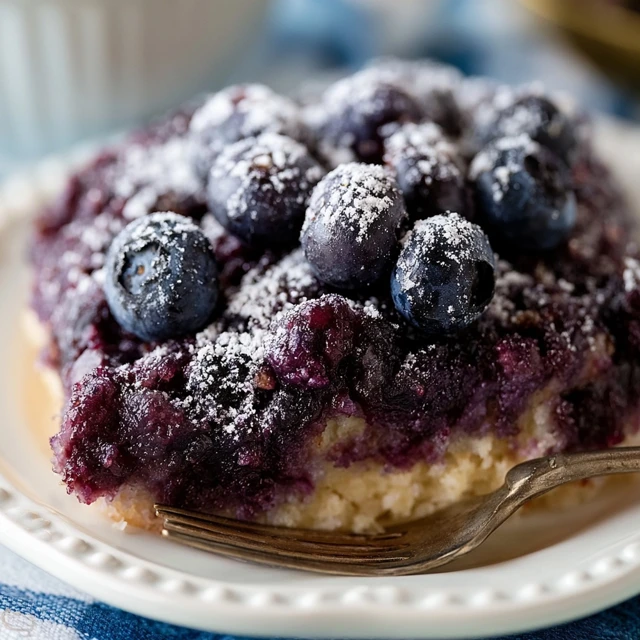
Family-Favorite Blueberry Recipes for Camping
Ingredients
Method
- Prepare your campfire or camp stove for indirect heat. You want a steady bed of coals or a medium-low flame. If using a campfire, let the wood burn down to glowing embers—this gives even heat without scorching.
- Place a 10-inch cast iron skillet directly on the coals or over the burner. Add the blueberries, 1/2 cup sugar, and lemon juice. Stir gently and cook for 3-4 minutes until the berries start releasing their juices. Remove the skillet from the heat.
- In a separate bowl, whisk together the flour, 1 cup sugar, baking powder, and salt. Cut in the cold butter cubes using your fingers or a fork until the mixture looks like coarse crumbs with some pea-sized butter bits still visible.
- Pour in the milk and vanilla extract. Stir just until combined—do not overmix. The batter will be thick and lumpy.
- Spoon the batter over the hot blueberries in dollops, covering the surface as evenly as possible. It's okay if some berries peek through.
- Cover the skillet with a lid or a sheet of heavy-duty aluminum foil crimped tightly around the edges. Place the skillet back over the coals or on the stove. If using a campfire, also place a few hot coals on top of the lid for even heat.
- Cook for 20-25 minutes. Check after 15 minutes—the topping should be golden and a toothpick inserted into the dough comes out clean. The blueberries should be bubbling thickly around the edges.
- Remove from heat carefully (the handle is hot!). Let the cobbler rest for 5 minutes. Serve warm, straight from the skillet. A scoop of vanilla ice cream or a drizzle of cream is optional but never regretted.