
The smell of a classic blueberry cake wafts through the pines. It is a simple joy—warm, sweet, and studded with pockets of jammy fruit. And you do not need a full kitchen to make it. A cast iron skillet and a camp stove are all it takes.

I have baked this cake on picnic tables, on the tailgate of a truck, and on a rock next to a stream. Every time, it delivers. The trick is managing the heat. A camp stove is not an oven. It has hot spots and uneven flame. But with a few adjustments, you get a golden crust and a tender crumb every time.
Why a Skillet Works Best
A cast iron skillet holds heat evenly. That matters when your only heat source is a single burner. The heavy metal distributes warmth up the sides, so the cake bakes from all directions, not just the bottom. A thin pan will scorch the base before the center sets. Use a 10-inch skillet for this recipe—anything smaller and the batter will be too thick.
Do you have a lid? Use it. A lid traps steam and mimics an oven’s enclosed heat. If you do not have a lid, a sheet of heavy-duty aluminum foil crimped around the rim works perfectly. Just tent it so the foil does not touch the rising batter.
Choosing Your Berries
Fresh blueberries are wonderful. They hold their shape and burst only when you bite into them. But frozen berries work just as well—and are often cheaper. The key is to never thaw them first. Thawed berries bleed purple into the batter and turn the whole cake gray-blue. Toss frozen berries straight from the bag into a tablespoon of flour before folding them in. That flour coating helps suspend them in the batter so they do not all sink to the bottom.
The Camp Stove Method
Set your stove to low. I mean low. If you have a multi-burner stove, use the smallest burner. Place the skillet on the grate and cover it immediately. The trapped heat will do the work.
Here is the specific trick: rotate the skillet a quarter turn every eight minutes. Camp stoves often have a hot spot directly over the flame. Rotating evens out the browning. If you skip this, one side of your cake will be dark and the other pale.
Resist the urge to lift the lid too often. Each time you do, heat escapes. After 20 minutes, peek quickly. If the top is still wet, cover and cook another five to ten minutes. When a skewer or a clean twig inserted in the center comes out with only a few moist crumbs, it is done.
Adapting for Wind and Cold
Wind is the enemy of camp stove baking. It steals your heat and makes the flame sputter. Set up a windbreak—a cooler turned on its side, a backpack, or a folding screen. Even a large cutting board propped on its edge helps.
On cold mornings, the batter itself will be cooler. Let your egg and milk come to room temperature before mixing. Cold batter takes longer to cook and can lead to a dense, gummy cake. If you forgot to warm them, set the sealed milk carton in a bowl of warm water for five minutes while you prep the dry ingredients.
When the Cake Is Done
Let the cake rest in the skillet for five minutes before slicing. This allows the structure to set. Serve it straight from the pan with spoons. A dusting of powdered sugar is nice but not necessary. A drizzle of maple syrup? Never hurts.
Leftovers (if there are any) keep well wrapped in foil for a day. But honestly, this cake is best warm, eaten around a fire, with the smell of pine and woodsmoke mixing with the sweet scent of blueberries.
Takeaway
A classic blueberry cake belongs at camp. It is forgiving, adaptable, and deeply satisfying. The method is simple: low heat, a covered skillet, and patience. Rotate the pan, trust the process, and you will have a dessert—or breakfast—that tastes like summer in the woods.
Frequently Asked Questions
Can I use frozen blueberries instead of fresh?
Absolutely. Use frozen berries straight from the bag. Do not thaw them first, or they will bleed too much color into the batter. Toss them in a tablespoon of flour before folding in to prevent sinking.
What if I don’t have a cast iron skillet?
You can use a heavy-bottomed camp pot with a lid, or a Dutch oven. The key is even heat distribution. Avoid thin aluminum pans—they burn the bottom before the center cooks.
How do I know the cake is done without an oven thermometer?
Insert a clean twig or skewer into the center. If it comes out with only a few moist crumbs (not wet batter), it is done. The edges will also pull away slightly from the skillet.
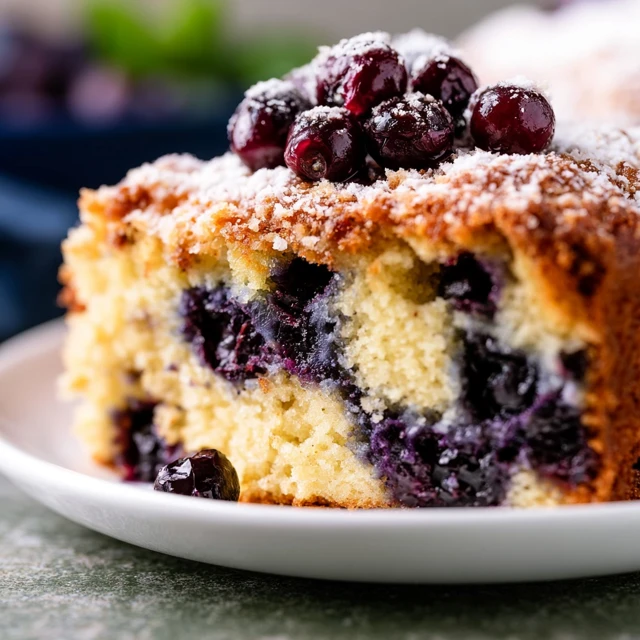
Classic Blueberry Cake for Camping: A Skillet Recipe
Ingredients
Method
- Grease a 10-inch cast iron skillet generously with butter. Set it aside.
- In a medium bowl, whisk together 1.5 cups flour, sugar, baking powder, and salt until combined.
- In a small bowl, beat the egg, then whisk in the milk, melted butter, and vanilla extract until smooth.
- Pour the wet ingredients into the dry ingredients. Stir with a spatula just until no dry flour remains. The batter will be thick—do not overmix.
- Toss the blueberries with the remaining 1 tablespoon of flour. Gently fold them into the batter with a few strokes.
- Scrape the batter into the prepared skillet and spread it evenly. The batter will be quite thick; use the spatula to coax it to the edges.
- Place the skillet on a camp stove over low heat. Cover with a lid or a piece of heavy-duty aluminum foil tented slightly to avoid touching the batter.
- Cook for 25–30 minutes, rotating the skillet a quarter turn every 8 minutes to prevent hot spots. The cake is done when a skewer inserted in the center comes out clean or with a few moist crumbs.
- Remove from heat and let cool in the skillet for 5 minutes. Slice and serve warm.