
The smell of rain on dry canvas is one thing. The smell of fresh mahi mahi sizzling in butter, lemon, and thyme while you sit under that same fly? That’s another level entirely. Cooking fish at camp can intimidate even experienced tent campers. It’s delicate, it can smell fishy, and a fillet stuck to a pan is a special kind of misery. But there’s a way to get flaky, moist mahi mahi without scrubbing a skillet or worrying about a greasy stove. The foil packet.

Why Mahi Mahi Works for Tent Camping
Mahi mahi has a firm, meaty texture that holds up better to camp cooking than flakier fish like cod or tilapia. It doesn’t fall apart when you flip the packet. It also has a mild, slightly sweet flavor that takes well to simple seasonings—no complicated marinades required. And because it’s a lean fish, it cooks quickly. On a camp stove or over coals, speed matters. The faster your dinner is done, the sooner you’re sitting back with a mug of something warm, watching the light fade.
The One Trick That Makes All the Difference
Most campers skip this step, and it’s why their fish comes out tough or dry. Pat the fillets completely dry with paper towels before you season them. Mahi mahi holds moisture, but that moisture is mostly on the surface. If you add oil and seasonings to a wet fillet, the water steams the fish instead of letting it sear. The result is a pale, rubbery texture. Dry the fish thoroughly, even if you have to use a few extra napkins. Then oil and season. That’s the move.
Gear and Setup
You don’t need a fancy camp kitchen. Here’s what works:
- Heavy-duty aluminum foil. Regular foil tears too easily when you flip the packet. Spend the extra dollar.
- A camp stove with a stable grate. A single-burner butane stove is fine, but make sure the grate is wide enough to hold a 6-inch packet without tipping.
- Long-handled tongs. Flipping a hot foil packet with a fork is a burn waiting to happen. Tongs give you control.
- A small cutting board or a clean, flat rock for assembly. Keep the fish off the dirt.
How to Build a Foolproof Foil Packet
Lay your foil sheet flat, dull side up. Brush a circle of oil in the center—about the size of your fillet. Place the dry, seasoned fish in the middle. Add lemon slices, herbs, and butter. Cherry tomatoes are optional, but they release a little juice that keeps the fish moist without drowning it.
Now the seal. Bring the two long edges of the foil together over the fish. Fold them over three times, pressing firmly each time. Then crimp the short ends. You want a packet that’s sealed tight but has a small air pocket around the fish. That air pocket circulates heat and steam, cooking the fish evenly. If you press the foil flat against the fish, it will cook faster on the outside and stay raw in the middle.
Cooking: Stove vs. Fire
On a camp stove: Set the heat to medium. Not high. High heat burns the outside of the packet before the fish inside is done. Cook for 6 minutes, flip with tongs, then 6 to 8 minutes more. Check by opening a corner and poking the fish with a fork. If it flakes easily, it’s done.
Over campfire coals: Let your fire burn down until there are no active flames. Rake a bed of coals to one side. Place the packet directly on the coals, not on a grate above flames. Cook for 5 minutes, flip, then 5 to 7 minutes more. Coals are hotter than a stove, so check earlier.
A common mistake: opening the packet too soon. Let it rest off the heat for 2 full minutes after cooking. The residual heat finishes the center and lets the juices redistribute. Open it too early and you’ll lose all that moisture in a burst of steam.
Safety Notes
Camp stoves get hot. Keep the stove on a level surface, away from tent walls, dry leaves, and sleeping bags. Never cook inside a tent. Carbon monoxide from any flame is invisible and deadly. And when you open that foil packet, angle it away from your face. Steam burns hurt.
Adapting for Wind and Cold
Wind is the enemy of camp stove cooking. A wind screen (a folded piece of foil or a commercial stove shield) helps. But if it’s gusty, move your stove behind a natural windbreak—a large rock, a cooler, or your vehicle. In cold weather, the fish will cool fast once it’s out of the packet. Serve it immediately. Have your plates or tortillas ready before you open the foil.
The Takeaway
Fresh mahi mahi at camp isn’t a luxury. It’s a simple, fast meal that tastes like the best kind of effort—the kind that pays off in every bite. Dry the fish. Seal the packet. Let it rest. That’s it. No skillet to scrub, no fishy cooler smell, just a warm foil packet that opens to flaky, buttery mahi mahi under the stars.
Frequently Asked Questions
Can I use frozen mahi mahi for this camping recipe?
Yes, but thaw it completely in the cooler first. Pat it very dry with paper towels before seasoning, or the fish will steam instead of sear and turn mushy.
How do I keep mahi mahi from sticking to the foil?
Brush the dull side of the foil generously with olive oil or avocado oil before adding the fish. The shiny side reflects heat, so always use the dull side for food contact.
What if I don’t have a camp stove grate?
Place the foil packets directly on hot coals from a campfire, not on open flames. Use long-handled tongs to flip once. Watch carefully – coals cook faster than a stove.
How do I store leftover cooked mahi mahi at camp?
Cool it completely, then wrap in a fresh layer of foil and place in a sealed ziplock bag inside the cooler with plenty of ice. Eat within 24 hours, and reheat gently in a foil packet over low heat.
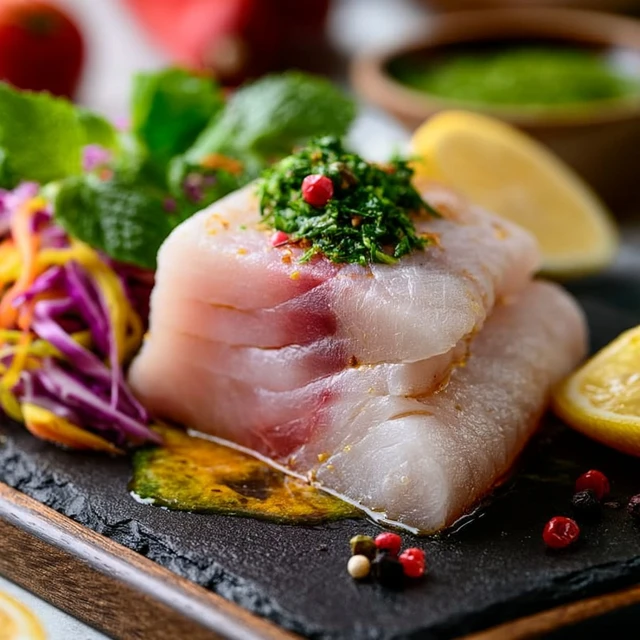
Camping Fresh Mahi Mahi: One-Pan Foil Packet Recipe
Ingredients
Method
- Prepare your camp stove or campfire. For a stove, set it up on a stable, level surface away from tent walls and dry leaves. For a fire, let it burn down to glowing coals with no active flames.
- Tear two large sheets of heavy-duty aluminum foil, each about 18 inches long. Lay them flat on a cutting board or picnic table with the dull side facing up.
- Brush the center of each foil sheet with olive oil, leaving a 2-inch border dry.
- Place one mahi mahi fillet in the center of each oiled area. Drizzle the remaining olive oil over the fillets, then season evenly with salt, pepper, and garlic powder.
- Top each fillet with lemon slices, thyme sprigs, and butter pieces. Add cherry tomato halves if using.
- Fold the foil tightly: bring the long edges together and fold over three times to seal, then crimp the short ends. You want a packet that's sealed but has a little air space around the fish.
- Place the packets on the camp stove grate or directly on the coals. Cook for 6 minutes, then carefully flip with tongs. Cook for another 6–8 minutes, until the fish flakes easily with a fork. Thicker fillets may need 2 extra minutes.
- Remove from heat with tongs. Let rest for 2 minutes. Open the packet away from your face to release steam. Serve straight from the foil or slide onto a plate.