
The first time I cooked pasta at a campsite, I ended up with a gluey mess. The second time, I used too much water and spent ten minutes trying to strain it without a colander, spilling half into the dirt. That’s when I stopped trying to replicate my kitchen routine and started adapting the technique to the constraints of a tent camp. The result is a method that uses less water, less fuel, and produces pasta that actually holds its shape—no mush, no draining, no extra pot to wash.

Why the No-Drain Method Works
The standard boil-and-drain approach assumes you have unlimited water, a colander, and a sink. At a campsite, water is a resource you carry or filter. Fuel is finite. And rinsing a pot of starchy water into the woods is not ideal—it attracts insects and can leave a residue that’s hard to clean without soap. The no-drain method uses exactly the amount of water the pasta absorbs as it cooks. The starch stays in the pot, creating a thin, silky coating that emulsifies with a little fat. No draining, no waste, no extra mess.
The Exact Water Ratio
For 8 ounces of short pasta—penne, rotini, or farfalle—use 2 cups of water. That’s a 1:1 ratio by volume. This is less than half the water you’d use at home. The key is to start with a vigorous boil and stir frequently. If you’re cooking for four, double everything: 16 ounces pasta to 4 cups water. The pot should be large enough that the pasta has room to move—a 3-quart pot works for up to 12 ounces.
Step-by-Step: Making It Work at Camp
1. Boil First, Then Add Pasta
Bring the water to a full rolling boil before adding the pasta. This is non-negotiable. If you add pasta to cold water and bring it up to temperature together, the starches gelatinize slowly and the pasta turns sticky. A hard boil shocks the surface, setting the structure.
2. Stir Immediately and Often
Once the pasta goes in, stir with a long-handled spoon or fork. Keep stirring for the first 30 seconds to prevent clumping. After that, stir every 2 minutes. At camp, it’s easy to walk away and tend to the fire or the tent. Don’t. Pasta cooked with minimal water needs attention. Set a timer on your phone.
3. Watch the Water Level
As the pasta absorbs water, the liquid level drops. In the last 3-4 minutes, you’ll see only a thin sheen of starchy water at the bottom. This is normal. If the pasta is still firm in the center when the water is gone, add a splash—about 2 tablespoons—and stir. The residual heat will finish the cooking. Avoid adding more than that; you want the pasta to absorb the liquid, not swim in it.
4. Finish with Fat
When the pasta is al dente—tender but with a slight resistance at the center—remove the pot from the heat. Stir in a tablespoon of olive oil or butter. The fat combines with the remaining starch to form a light sauce that coats each piece. This is the moment that separates good camp pasta from great. The starch acts as an emulsifier, so the sauce clings instead of pooling at the bottom.
Adapting for Conditions
Wind: Use a windscreen around your stove to maintain a steady boil. Wind steals heat and extends cooking time, which can lead to mushy pasta as you compensate with extra water.
High altitude: Water boils at a lower temperature above 5,000 feet. Expect the pasta to take 2-3 minutes longer. Add an extra 1/4 cup of water to account for increased evaporation.
Cold weather: If the ambient temperature is below 40°F, the pot will lose heat quickly. Cook with the lid on between stirrings to retain heat. Check the pasta one minute earlier than you think; cold air can make it seem done when it’s still undercooked.
Cooking for kids: Kids often prefer softer pasta. Cook it 1-2 minutes longer than al dente, adding a tablespoon of water if needed. The no-drain method still works—just watch the liquid level closely.
What to Add (and What to Skip)
This technique is a base. You can stir in a jar of pesto, a can of diced tomatoes with herbs, or a spoonful of bouillon paste dissolved in a splash of hot water. Avoid adding cheese directly to the hot pot—it can seize into a clump. Instead, sprinkle grated Parmesan over individual servings. For protein, add pre-cooked sausage, canned chicken, or shelf-stable bacon bits after the pasta is done. Heat through for one minute.
Common Mistake to Avoid
The biggest error is walking away. With less water, the margin between al dente and scorched is thin. If the water boils off completely and the pasta starts sticking to the bottom, the pot will be a nightmare to clean and the pasta will have a burnt flavor. Stay close. Stir often. If you hear a sizzle that isn’t bubbling, add a splash of water immediately and lower the heat.
Takeaway
The best pasta at camp isn’t the one with the most elaborate sauce or the fanciest ingredients. It’s the one that comes together with minimal fuss, leaves your pot clean enough to wipe with a paper towel, and actually tastes like pasta—not paste. Master this no-drain method, and you’ll never haul a colander into the woods again.
Frequently Asked Questions
Can I use any pasta shape for this no-drain method?
Shorter shapes like penne, rotini, or farfalle work best. Long strands like spaghetti tend to clump and cook unevenly with less water. Stick to shapes that hold their structure.
What if my pasta is still hard after the water is absorbed?
Add a splash of water—about 2 tablespoons at a time—and continue simmering, stirring frequently. The residual heat will finish cooking the pasta. Avoid adding too much or you’ll end up with soup.
Is this method safe to use with a camp stove inside a tent?
No. Never operate a camp stove inside a tent. Carbon monoxide is odorless and deadly. Always cook outside, at least 10 feet from your tent entrance, on a stable, level surface away from dry grass or leaves.
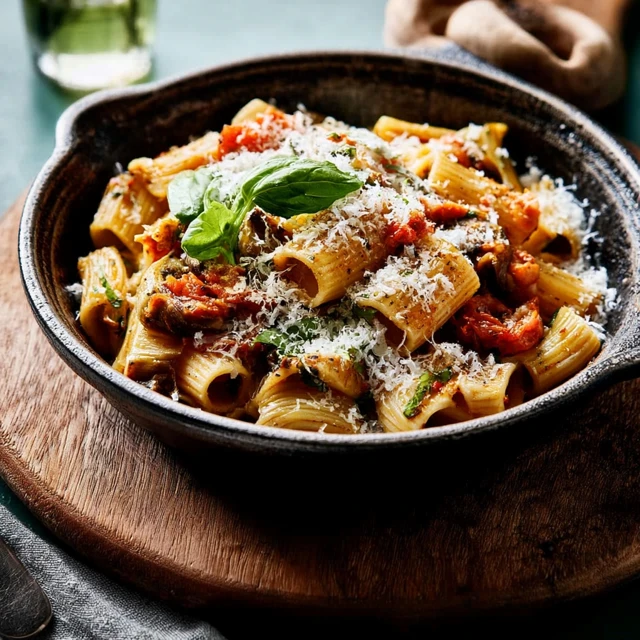
Camp Pasta That Won't Turn to Mush: My Go-To Method
Ingredients
Method
- Measure 2 cups of water into your camp pot. Add salt and bring to a full rolling boil over high heat on your camp stove.
- Add the pasta all at once. Stir immediately to prevent sticking. Reduce heat to medium-high so it stays at a lively simmer.
- Cook uncovered, stirring every 2 minutes, until the water is almost fully absorbed and the pasta is al dente—about 10-12 minutes depending on shape and altitude. At higher elevations (above 5,000 feet), expect an extra 2-3 minutes.
- In the last minute, if the pasta looks dry but still has a white core, add a tablespoon of water and stir vigorously. The steam will finish cooking it.
- Remove from heat. Stir in olive oil or butter if using. The starchy residue left in the pot creates a light sauce that clings to the pasta. Serve immediately.