
The first thing you notice is the smell. Sweet, jammy blackberries mingling with the faint smokiness of a campfire. It hits you before you even lift the lid of the Dutch oven. That aroma is the promise of something deeply satisfying—a backyard blackberry dessert that tastes like summer and simplicity.

I’ve made this cobbler more times than I can count, from my own backyard to remote mountain campsites. The method is the same, and it works every time. Here’s how to pull it off without fuss, with a few tricks that make the difference between a good cobbler and a great one.
Why Dutch Oven Cobbler Works for Camping
A Dutch oven is essentially a portable oven. Cast iron holds and distributes heat evenly, which is crucial when you’re cooking over an unpredictable fire. The heavy lid traps steam, creating a moist environment that bakes the biscuit topping while the berries bubble underneath.
The trick most people miss is the parchment liner. Cut a circle of parchment paper to fit the bottom of your Dutch oven, and let the edges come up the sides. This does two things: it prevents sticking without extra oil, and it makes cleanup a matter of lifting out the paper. No scrubbing charred berry juice off cast iron at 10 p.m.
Picking and Prepping Your Blackberries
Fresh blackberries are ideal when they’re in season—firm, plump, and deeply colored. But frozen berries work just as well, and they’re often more consistent. If using frozen, add them straight from the bag. Do not thaw them first. Thawing releases excess liquid that will make your filling runny.
One common mistake is skipping the cornstarch. Blackberries are juicy, and without a thickener, your cobbler will be soup. Cornstarch or arrowroot powder works best. Mix it with the sugar before tossing with the berries to avoid clumps.
A squeeze of lemon juice brightens the flavor and balances the sweetness. Don’t skip it—it’s a small addition with big impact.
Building the Biscuit Topping
The topping is a simple drop biscuit dough. The key is cold butter. Cut it into the flour mixture until it looks like coarse meal, with pea-sized butter bits still visible. Those bits melt in the heat, creating steam pockets that make the biscuits light and flaky.
Add the milk and stir just until combined. Overmixing develops gluten, which makes the dough tough. You want a shaggy, soft dough that holds together when pinched.
Drop the dough by spoonfuls over the berries. It doesn’t need to be perfect—rustic is the look we’re after. Leave small gaps for steam to escape. Brush the tops with a little milk for a golden, slightly crisp finish.
Managing Your Campfire Heat
This is where most campfire bakers get tripped up. You do not want flames licking the Dutch oven. That will burn the bottom and leave the top raw. Instead, let your fire burn down to a bed of hot coals. For a 12-inch Dutch oven, you need about 8-10 coals underneath and 14-16 on top. The extra coals on top compensate for heat lost to the open air.
If you don’t have a way to count coals, use the hand test: hold your hand about 6 inches above the lid. If you can keep it there for 3-4 seconds, the heat is about right. Too hot? Lift the oven off the coals for a few minutes. Too cool? Add a few more coals underneath.
Rotate the Dutch oven and the lid every 15 minutes. This prevents hot spots and ensures even baking. Set a timer on your phone—it’s easy to forget when you’re relaxing by the fire.
Serving and Storing
Let the cobbler rest for 10 minutes after cooking. This allows the filling to set slightly. Spoon it into bowls while still warm. A scoop of vanilla ice cream or a dollop of whipped cream is nice, but the cobbler stands on its own.
Leftovers? They’re rare, but if you have any, let the cobbler cool completely, then transfer to a sealed container. Keep it in a cooler with ice packs if the weather is warm. Eat within 24 hours for the best texture. Never leave food out overnight—it attracts wildlife, even in your own backyard.
Adapting for Weather and Conditions
On a windy day, shield your fire with a windbreak—a large rock or a piece of foil works. Wind steals heat and makes temperature control erratic. On a damp or cold evening, you may need a few extra coals to maintain temperature.
Cooking with kids? Let them help with the mixing and dropping the dough. The parchment liner makes it safe for little hands to assist without touching hot cast iron. Just be clear about the fire safety rules: stay at arm’s length from the fire, and never touch the Dutch oven without heavy gloves.
Takeaway
A backyard blackberry dessert doesn’t need to be complicated. With a Dutch oven, a handful of ingredients, and a little patience with the coals, you can create something memorable. The parchment liner trick saves you cleanup. The cold butter keeps the biscuits light. And that first bite—warm, tart, sweet, with a hint of smoke—is worth every minute.
Frequently Asked Questions
Can I use frozen blackberries for this dessert?
Yes, frozen blackberries work well. Do not thaw them first—add them straight from the freezer. Increase the cook time by about 10 minutes and stir once after the first 20 minutes to ensure even heating.
How do I control the heat of a campfire for baking?
The key is to use a bed of hot coals, not flames. Let your fire burn down to glowing embers. For a 12-inch Dutch oven, you want about 8-10 coals underneath and 14-16 on top. Too hot? Lift the oven off the coals for a few minutes. Too cool? Add a few fresh coals.
What if I don’t have a Dutch oven?
You can use a heavy-bottomed pot with a tight-fitting lid, or even a cast iron skillet covered with foil. The cooking time will vary—check for doneness by inserting a knife into the biscuit topping; if it comes out clean, it’s ready.
How do I store leftovers at a campsite?
Let the cobbler cool completely, then transfer to a sealed container. Keep it in a cooler with ice packs if you’re camping in warm weather. Eat within 24 hours for best texture. Never leave food out overnight—it attracts wildlife.
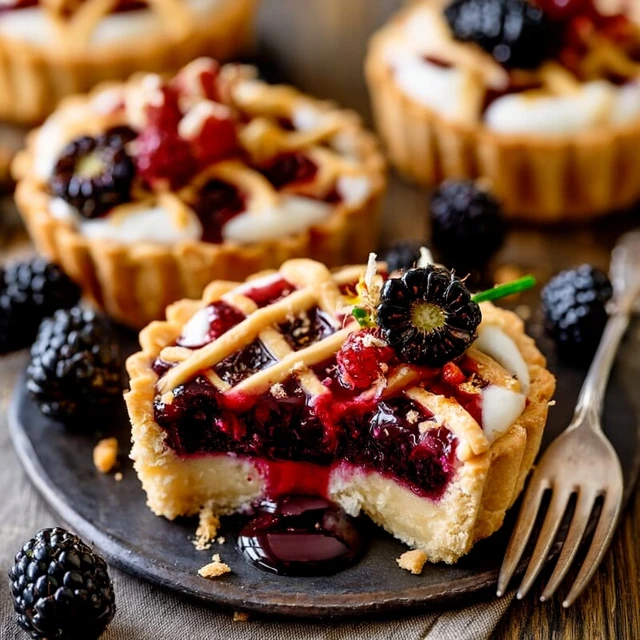
Backyard Blackberry Dessert: Campfire Cobbler in a Dutch Oven
Ingredients
Method
- Light a campfire and let it burn down to a bed of hot coals. You'll need about 24-26 coals total for a 12-inch Dutch oven.
- In a medium bowl, combine the blackberries, 1/2 cup sugar, cornstarch, and lemon juice. Stir gently to coat the berries. Set aside.
- In a separate bowl, whisk together the flour, 1/4 cup sugar, baking powder, and salt. Cut in the cold butter using your fingertips or a fork until the mixture resembles coarse crumbs. Stir in the milk just until a soft dough forms. Do not overmix.
- Line a 12-inch Dutch oven with a circular piece of parchment paper. This makes cleanup much easier—trust me.
- Pour the blackberry mixture into the Dutch oven and spread evenly. Drop spoonfuls of the biscuit dough over the berries. Brush the dough with a little milk for a golden top.
- Place the Dutch oven over a ring of 8-10 hot coals. Arrange 14-16 coals on the lid. Cook for 40-50 minutes, rotating the oven and lid every 15 minutes for even heat. The cobbler is done when the topping is golden and the filling bubbles thickly.
- Carefully remove the Dutch oven from the coals using heavy gloves or a lid lifter. Let it cool for 10 minutes before serving. Spoon into bowls and enjoy warm.