
The first time I tried making a fresh berry dessert while tent camping, I ended up with a sticky, burnt mess. The berries scorched, the topping was raw in the middle, and I spent the next morning scrubbing a blackened skillet. But I learned something that night: a campfire is not an oven. You have to work with its heat, not against it. That’s the key to this no-bake skillet cobbler—a fresh berry dessert that actually works over coals or a camp stove.

Why This Technique Works
Most campfire desserts call for a Dutch oven with coals on top and bottom, which is great but heavy and specialized. My method uses a single cast iron skillet and a simple lid or foil. The berries cook from below, releasing juice that steams the biscuit topping from underneath. No flipping, no turning coals, no guesswork. The topping stays soft and tender, not doughy, because the steam does the work.
Choosing and Prepping Your Berries
Fresh berries are the star here, but they’re fragile. I always buy them the day before I leave and keep them cool in a hard-sided cooler with a frozen water bottle on top—never directly on ice, which turns them to mush. At camp, rinse them gently in a collapsible bowl and let them drain in a mesh bag. Pat them dry with a paper towel if you have one. Wet berries make a runny filling.
Mix your berries for flavor: blueberries hold their shape, raspberries break down into a jammy sauce, and blackberries add tartness. If you only have one type, that’s fine—just adjust the sugar. Taste a berry. If it’s tart, use the full 1/3 cup. If it’s sweet, cut back to 1/4 cup.
The Trick to a Non-Soggy Topping
Here’s the specific tip you won’t find on most camping recipe sites: don’t stir the cornstarch into the berries directly. Instead, whisk the cornstarch with the sugar first, then toss that mixture with the berries. Why? Cornstarch clumps when it hits wet fruit directly. Mixing it with sugar first disperses it evenly, so your filling thickens smoothly without lumps.
Another mistake I see is overmixing the dough. Stir until it just comes together—a few streaks of flour are fine. Overworking develops gluten, and you’ll end up with tough, dense dumplings instead of tender biscuits.
Managing the Fire
This is where most camp desserts go wrong. Direct flame charrs the bottom and leaves the top raw. You want a bed of hot coals, not fire. Build your fire at least 30 minutes before you start cooking. Let it burn down until you have a thick layer of glowing embers. Rake a few coals to the side to create a flat, even bed. Set your grate about 4 inches above the coals.
If you’re using a camp stove, set it to medium-low. The skillet should sizzle gently when you add the berries—if it’s screaming, it’s too hot. A common workaround for uneven heat is to place a small metal trivet or a few clean pebbles under the skillet to lift it slightly. This creates an air gap that moderates the heat.
Rain, Wind, and Cold Weather Adaptations
If it’s windy, set up a windbreak with a cooler or a backpack. Wind steals heat from the skillet and extends cooking time by 10-15 minutes. In cold weather, pre-warm the skillet over the fire for a minute before adding the berries—this prevents a drastic temperature drop that can make the filling seize. In rain, cook under your tent fly or a tarp, but keep the skillet dry. A wet lid drips water into the cobbler and thins the filling.
Safety Notes
Cast iron gets dangerously hot. Always use a leather glove or a multi-layered pot holder to handle the skillet. Never set a hot skillet on a plastic table—use a trivet or a flat rock. And remember: food safety matters. If you’re using fresh berries that have been out of the cooler for more than two hours, discard leftovers. Don’t reheat this dessert; the topping turns to paste.
The Takeaway
A fresh berry dessert at camp doesn’t have to be complicated or messy. With a single skillet, a bed of coals, and a few simple techniques—pre-mix your cornstarch, don’t overwork the dough, and use steam instead of direct heat—you get a dessert that tastes like summer in the woods. It’s sweet, it’s warm, and it’s earned.
Frequently Asked Questions
How do I keep fresh berries cold while tent camping?
Use a high-quality cooler with a separate sealed container for berries. Freeze the berries solid at home, then pack them in a leak-proof bag inside the cooler. They’ll thaw slowly over the first two days and stay cold. Add a frozen water bottle above them for extra insulation.
Can I use frozen berries instead of fresh?
Yes, but adjust cooking time. Frozen berries release more liquid, so pre-cook them for 5 minutes before adding the topping to avoid a soupy cobbler. No need to thaw first.
What if I don’t have a cast iron skillet?
A heavy-duty aluminum Dutch oven works well, or use a double layer of heavy-duty aluminum foil formed into a shallow pan. Place it on a grate over coals, not direct flame.
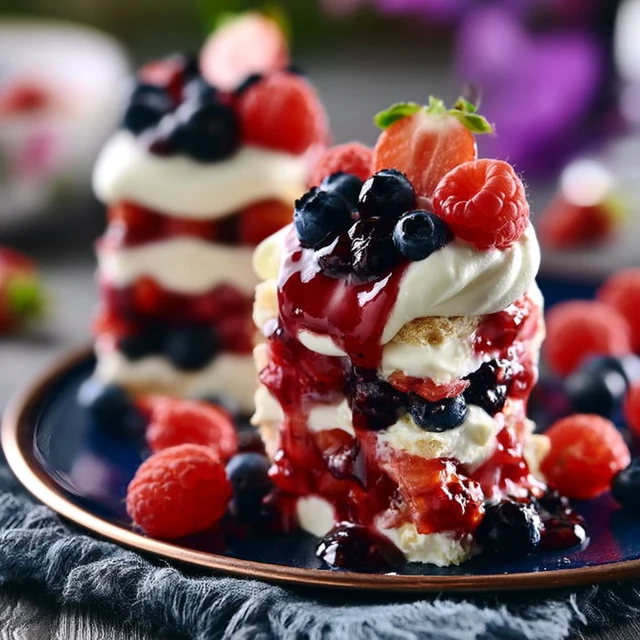
Fresh Berry Dessert for Camping: No-Bake Skillet Cobbler
Ingredients
Method
- Prepare your fire: Build a small, steady campfire and let it burn down to a bed of hot coals (no flames). You want moderate, even heat—like a 375°F oven. Alternatively, set up a camp stove on low-medium heat.
- In a 10-inch cast iron skillet (or heavy pan), combine the fresh berries, 1/3 cup sugar, cornstarch, and lemon juice. Stir gently to coat. Spread into an even layer.
- In a separate bowl, whisk together the flour, 2 tablespoons sugar, baking powder, and salt. Cut in the cold butter using your fingers or a fork until the mixture looks like coarse crumbs. Pour in the cold milk and stir just until a soft dough forms—do not overmix.
- Drop spoonfuls of the dough over the berry mixture. It won't cover everything; leave gaps for steam to escape. That's intentional.
- Place the skillet on a grate over the coals (or on the camp stove). Cover with a lid or a sheet of heavy-duty foil crimped tight around the edges. Cook for 18-22 minutes, rotating the skillet a quarter turn every 5 minutes for even heat. The topping should be golden and firm, and the berries bubbling thickly around the edges.
- Remove from heat. Let rest for 5 minutes—this sets the filling. Serve warm, straight from the skillet. A dollop of shelf-stable whipped cream or a splash of cream from a small carton is a nice touch if you have it.